

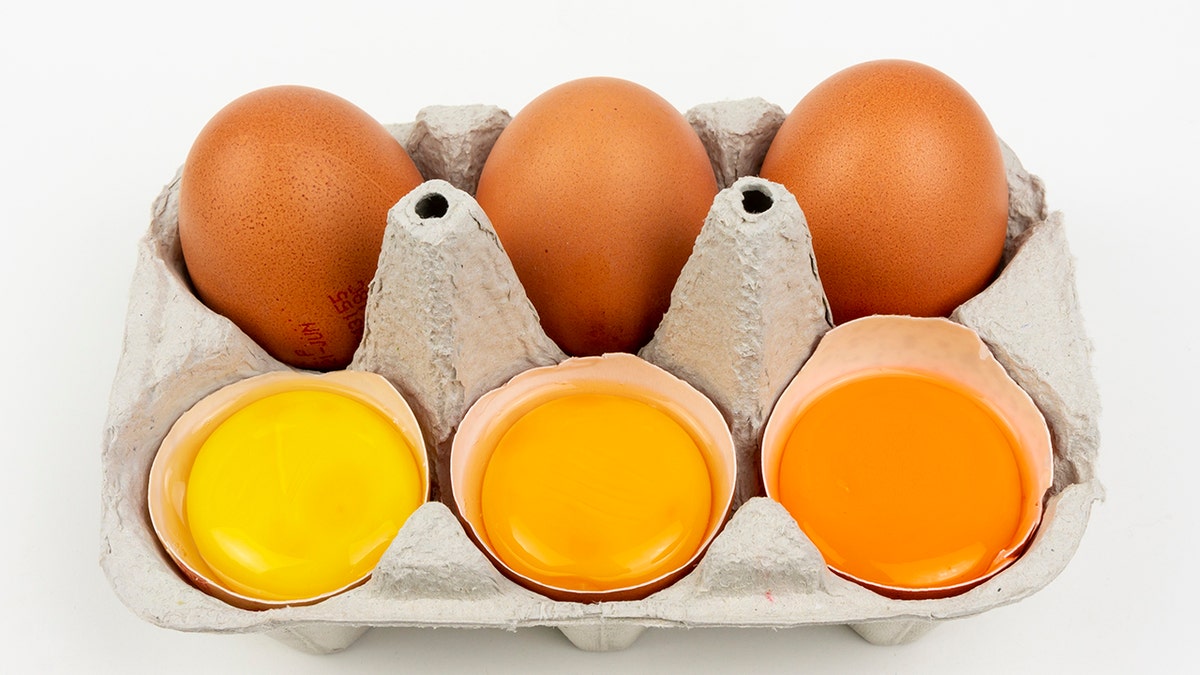
Whether you are preparing a quick morning breakfast in Mukono, frying a rolex at a local stall, or baking a cake for a family celebration in Kampala, you have probably noticed it: not all egg yolks are created equal. Sometimes you crack an egg, and the yolk is a pale, washed-out yellow. Other times, you get a rich, vibrant, golden-orange yolk that looks like a miniature sunset.
But does the color actually matter? Is a darker yolk healthier, or is it just an optical illusion? Let’s crack open the truth about what is happening inside your egg.
The Big Myth: Is It About the Breed?
A common misconception in Uganda is that local chickens (local birds) automatically lay golden yolks, while exotic layers produce pale ones.
The truth? Yolk color has absolutely nothing to do with the breed of the chicken. A premium exotic layer and a local backyard chicken can lay the exact same shade of golden yolk. The color of the shell (brown or white) doesn’t matter either. The secret to that beautiful golden color comes down to just one thing: what the hen ate.
The Science of the Sunset Yolk
Chickens are a lot like us—they are what they eat. The color of an egg yolk is directly determined by the amount of carotenoids in the hen’s diet.
Carotenoids are natural pigments found in plants. Think of the beta-carotene that makes carrots orange or the lutein that makes marigolds bright yellow. When a hen eats food rich in these pigments, the color transfers directly into her eggs.
- Pale Yellow Yolks: This usually means the hen was fed a basic diet low in carotenoids—often heavily reliant on low-quality white maize bran or wheat pollard without any vitamin supplements or greens.
- Deep Golden/Orange Yolks: This indicates the hen enjoyed a premium, nutrient-dense diet rich in yellow maize, high-quality alfalfa, fresh greens, or specialized feeds packed with natural pigments and vitamins.
Nutritional Value: Are Darker Yolks Better for You?
When it comes to basic macronutrients—protein, fat, and calories—a pale yolk and a golden yolk are nearly identical. However, when it comes to micronutrients, the golden yolk takes the crown.
The Golden Advantage: Studies show that hens raised on high-quality, pigment-rich feeds produce eggs containing higher levels of Omega-3 fatty acids and Vitamins A, D, and E.
Those rich, orange yolks are also packed with lutein and zeaxanthin—two powerful antioxidants that are essential for human eye health, helping to protect your vision as you age. So, while a pale egg still gives you protein, a golden egg gives you a powerhouse of protective nutrients.
Flavor and Texture: The Baker’s Secret
Ask any professional baker or chef in Uganda, and they will tell you that a golden yolk behaves differently in the kitchen.
Because hens that lay golden eggs are generally healthier and better fed, their eggs tend to have thicker whites (albumen) and stronger yolk membranes. This means:
- Your fried eggs won’t easily break or run all over the pan.
- Your cakes and mandazis will have a richer, fluffier texture and a naturally beautiful golden hue.
- The flavor is noticeably richer and creamier.
The Zash Promise: Why Our Yolks Stay Golden
At Zash, we don’t believe in shortcuts. We know that to get a premium product on your plate, we have to start with what goes into our troughs.
Because we manufacture our own poultry feeds right here in Mukono, we control every single ingredient. We formulate our feeds using high-quality yellow maize and mathematically balanced vitamins to ensure our hens are thriving.
The result? Every time you crack a Zash egg, you are guaranteed that rich, nutritious, golden yolk that tastes exactly like nature intended.
Taste the difference today! Visit our farm in Mukono or contact Zash to order fresh, golden-yolk eggs and premium poultry products for your home or business.
Leave a Reply